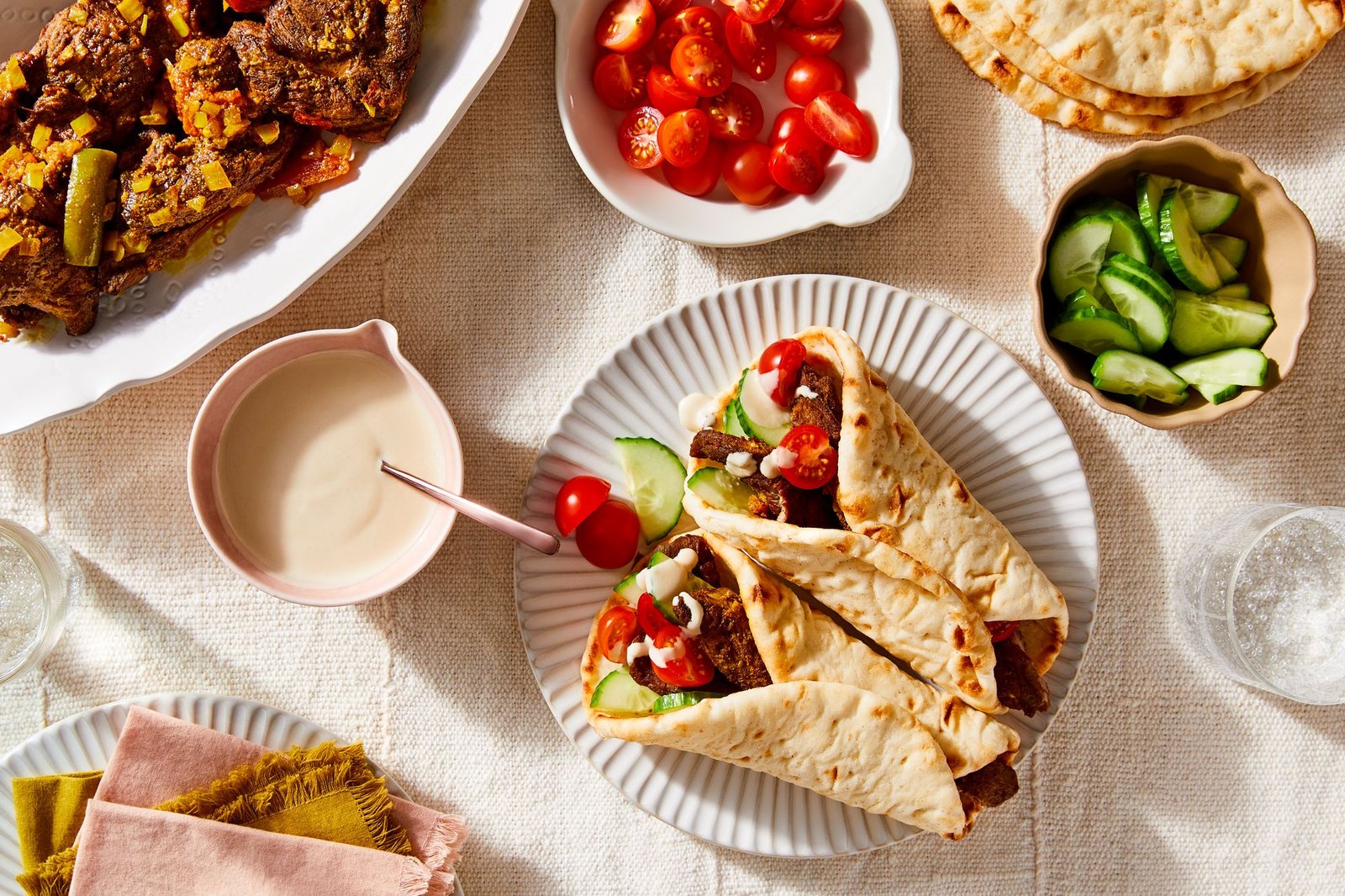
The Arabic Chicken Shawarma Sandwich stands as one of the most beloved street foods across the Middle East, a handheld masterpiece that packs layers of spiced, juicy chicken, creamy sauces, fresh veggies, and warm bread into every bite. I’ve chased that perfect bite from bustling Beirut corners to quiet home kitchens, and nothing beats making it yourself. The magic lies in the marinade—bold spices that turn simple chicken into something unforgettable—and the way everything comes together in a pita or flatbread wrap.
This isn’t just a recipe; it’s a ticket to those late-night cravings or family gatherings where everyone reaches for seconds. Whether you’re new to Middle Eastern cooking or tweaking your go-to version, this detailed guide walks you through an authentic approach inspired by Lebanese and Levantine traditions. We’ll cover the history, the right ingredients, step-by-step prep, variations, and tips to make it better than most takeout spots.
What Is Chicken Shawarma?
Chicken shawarma is thinly sliced marinated chicken stacked and slow-roasted on a vertical spit, then shaved off in tender strips. The name “shawarma” comes from the Turkish “çevirme,” meaning “turning,” reflecting the rotating spit method. In Arabic-speaking countries, it’s a street food staple, often wrapped in flatbread with garlic sauce, pickles, and veggies.
Unlike its cousin doner kebab (more Turkish, often milder with yogurt marinades and different spice profiles), shawarma leans heavier on warm spices like cumin, cardamom, and cinnamon, plus tangy elements from lemon or vinegar. The result is aromatic, slightly smoky, and deeply satisfying.
A Personal Shawarma Memory
Years back, on a trip through Jordan, I stopped at a roadside spot in Amman where the shawarma guy shaved meat straight from the spit into steaming pita. The garlic sauce dripped, pickles crunched, and the spices hit just right—it was messy, perfect, and impossible to replicate with words. That experience pushed me to experiment at home until I nailed a version that brings back that street-side joy without a giant rotisserie. No fancy equipment needed; a skillet or oven does the trick.
Ingredients for Authentic Chicken Shawarma
The key to great shawarma is balance: warm spices for depth, acid for brightness, and fat for juiciness. Use boneless, skinless chicken thighs—they stay tender and flavorful far better than breasts.
For the Chicken and Marinade (serves 6-8 sandwiches):
- 2 lbs (about 900g) boneless, skinless chicken thighs
- 1/4 cup plain yogurt (full-fat for creaminess)
- 1/4 cup olive oil
- Juice of 2 lemons (about 1/4 cup)
- 4-6 garlic cloves, minced
- 2 tsp ground cumin
- 2 tsp ground coriander
- 1 tsp smoked paprika
- 1 tsp ground turmeric
- 1 tsp ground cinnamon
- 1/2 tsp ground cardamom (or 4-5 pods, crushed)
- 1/2 tsp ground allspice or baharat if available
- 1/2 tsp cayenne or chili flakes (adjust for heat)
- Salt and black pepper to taste (start with 1-2 tsp salt)
- Optional: 1 tbsp tomato paste for color and umami
For the Garlic Sauce (Toum-inspired, Lebanese style):
- 1 cup neutral oil (like canola)
- 1/2 cup garlic cloves (about 1 head, peeled)
- Juice of 1 lemon
- Salt to taste
- Ice-cold water (a few tbsp as needed)
For the Sandwich Assembly:
- 6-8 large pita breads or Lebanese flatbreads
- Sliced tomatoes
- Thinly sliced cucumbers
- Pickled turnips or cucumbers (essential for tang)
- Shredded lettuce or parsley
- Sumac-dusted onions (red onion slices with sumac and salt)
- French fries (optional but classic in some spots)
- Tahini sauce or hot sauce for extra drizzle
How to Make the Shawarma Marinade
Start with the marinade—it’s where the flavor builds. In a large bowl, whisk the yogurt, olive oil, lemon juice, minced garlic, and all the spices until smooth. It should smell incredibly aromatic, like a Middle Eastern spice market exploded.
Pat the chicken thighs dry, then cut them into thin strips or bite-sized pieces for easier cooking and shawarma-like texture. Toss them in the marinade, making sure every piece is coated. Cover and refrigerate for at least 4 hours, but overnight (or up to 24 hours) is ideal. The longer, the deeper the flavor penetrates.
Cooking the Chicken: Stovetop Method (Best for Home)
Heat a large cast-iron skillet or heavy pan over medium-high with a drizzle of oil. Add the chicken in batches—don’t overcrowd, or it steams instead of searing. Cook 4-6 minutes per side until golden and cooked through (internal temp 165°F/74°C).
For that authentic charred edge, crank the heat at the end or finish under the broiler for 2-3 minutes. Let the chicken rest, then slice thinly against the grain.
Oven Alternative: Preheat to 425°F (220°C). Spread marinated chicken on a lined baking sheet. Roast 25-30 minutes, flipping halfway, then broil for crispiness.
Making the Perfect Garlic Sauce
This creamy, punchy sauce is non-negotiable for authentic shawarma. In a food processor or blender, puree the garlic with salt and lemon juice until smooth. With the machine running, drizzle in the oil very slowly—like making mayo. If it separates, add a tablespoon of ice water to emulsify. It should be thick and spreadable. Store in the fridge; it gets better after a day.
Assembling the Ultimate Chicken Shawarma Sandwich
Warm the pita or flatbread (microwave in a damp towel or toast lightly). Spread a generous layer of garlic sauce on one side. Add a handful of lettuce, then pile on the sliced chicken.
Layer tomatoes, cucumbers, pickled turnips, and sumac onions. Drizzle more sauce, maybe tahini or hot sauce. Fold tightly—some folks roll it like a burrito, others stuff it pocket-style.
Pro tip: If adding fries, tuck them in for crunch and that classic street-food vibe.
Pros and Cons of Homemade vs. Restaurant Shawarma
Homemade Pros:
- Control over ingredients—no mystery fillers
- Fresher and customizable (less salt, more spice)
- Cheaper for big batches
- Fun to make with family
Homemade Cons:
- No vertical spit for that exact texture
- Takes time to marinate
- Cleanup from spices
Restaurant Pros:
- Quick and consistent
- Professional equipment for even cooking
Restaurant Cons:
- Often oily or overly salty
- Variable quality
Variations to Try
- Beef or Lamb Shawarma: Swap chicken for thinly sliced beef or lamb; increase marinade time.
- Spicy Version: Add more cayenne or fresh chilies.
- Yogurt-Heavy Marinade: Some Lebanese recipes use more yogurt for tenderness.
- Sheet Pan Dinner: Roast veggies alongside the chicken for an easy meal.
People Also Ask (Common Google Questions)
What is the difference between shawarma and doner kebab? Shawarma uses Middle Eastern spices (cumin, cardamom, cinnamon) with tangy marinades, while doner (Turkish origin) is milder, often yogurt-based, with different seasoning emphasis.
Can I make chicken shawarma without yogurt? Yes—use more oil and lemon/vinegar. Yogurt tenderizes, but it’s not essential.
Is chicken shawarma healthy? It’s protein-rich with veggies; opt for grilling over frying, whole-grain bread, and light sauce for a balanced meal.
How long does shawarma last in the fridge? Cooked chicken keeps 3-4 days; sauces up to a week.
What’s the best bread for shawarma sandwiches? Large, soft Lebanese pita or markouk flatbread—pliable enough to wrap without tearing.
FAQ
How do I get that smoky flavor without a grill? Add smoked paprika to the marinade or use liquid smoke sparingly. A quick broil adds char.
Can I freeze the marinated chicken? Absolutely—marinate, then freeze in bags. Thaw overnight and cook.
What if I don’t have all the spices? Start with cumin, paprika, garlic, lemon—core flavors. Build from there.
Is this recipe gluten-free? The chicken and sauces are; use gluten-free flatbread or serve as a bowl.
How spicy is authentic shawarma? Mild to medium—adjust cayenne to taste. It’s more aromatic than hot.
Making chicken shawarma at home transforms ordinary nights into something special. The first time you bite into that warm, spiced wrap with garlic sauce dripping down your chin, you’ll get why it’s addictive. Experiment, tweak the spices to your palate, and soon it’ll become your signature dish. Enjoy every messy, flavorful bite!
Leave a Reply