Author: sheikhali002001@gmail.com

  • Perfect chicken shawarma

    Perfect chicken shawarma

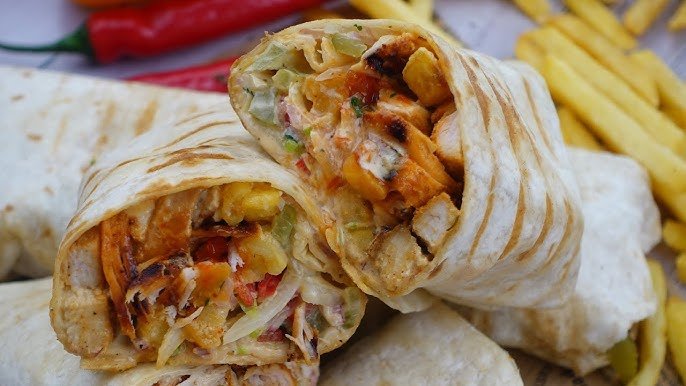
    The quest for the perfect chicken shawarma starts with a memory that still makes my mouth water. Years ago, on a bustling street in Amman, I watched a vendor shave thin slices off a towering spit of golden, spice-crusted chicken. The aroma hit me like a warm hug—cumin, garlic, and something smoky and tangy all at once. I took one bite of that wrap, loaded with pickles, tahini, and fresh veggies, and thought, “This is what food should taste like.” Back home, I spent months tinkering in my kitchen to recreate it without a commercial rotisserie. The result? A homemade version that’s juicy, boldly flavored, and surprisingly easy. No fancy equipment needed—just good spices, patience for marinating, and a hot oven or skillet to get those crispy edges.

    Chicken shawarma isn’t just a sandwich; it’s a street food legend that’s traveled far from its roots. Originating in the Levant during the Ottoman Empire, it evolved from Turkish döner kebab, where meat rotates on a vertical spit. The Arabic word “shawarma” comes from the Turkish “çevirme,” meaning “turning.” Traditionally made with lamb or mutton, chicken became popular for its affordability and milder taste. Today, it’s a global favorite, from Beirut food trucks to late-night spots in major cities.

    What makes chicken shawarma stand out is the marinade. The spices create layers of warmth and depth—earthy cumin and coriander, bright turmeric, subtle cinnamon, and a kick from paprika or cayenne. Acid like lemon juice tenderizes the meat, while yogurt or oil keeps it moist. The best versions balance these so every bite bursts with flavor without overwhelming the chicken.

    Key Ingredients for Perfect Chicken Shawarma

    Gather these for the marinade and assembly. They form the foundation of authentic taste.

    • Chicken: Boneless, skinless thighs (preferred for juiciness and flavor; breasts work but dry out easier).
    • Spices: Ground cumin, coriander, paprika (smoked for extra depth), turmeric, cinnamon, cardamom, black pepper, and cayenne or red pepper flakes.
    • Acid and aromatics: Fresh lemon juice, minced garlic (lots—6+ cloves), olive oil.
    • Optional tenderizer: Plain yogurt or Greek yogurt for creaminess and extra tenderness.
    • For serving: Warm pita or laffa bread, tahini sauce or garlic toum, chopped tomatoes, cucumbers, red onions, pickles, parsley, and sometimes fries or hummus.

    The Ultimate Shawarma Spice Blend

    Mix this homemade blend ahead—it’s better than store-bought and adjustable.

    • 1 tablespoon ground cumin
    • 1 tablespoon ground coriander
    • 2 teaspoons smoked paprika
    • 1 teaspoon turmeric
    • 1 teaspoon ground cinnamon
    • ½ teaspoon ground cardamom
    • ½ teaspoon cayenne pepper (adjust for heat)
    • Salt and black pepper to taste

    This mix delivers that signature warm, aromatic profile. Double it and store in a jar for future use.

    Step-by-Step: Marinating and Cooking the Chicken

    The secret to perfection lies in the marinade and cooking method.

    Start with 2 pounds of chicken thighs. Trim excess fat, then slice into thin strips or leave whole for easier handling.

    In a large bowl, whisk:

    • Juice of 2 lemons
    • ½ cup olive oil
    • 6 minced garlic cloves
    • The full spice blend above
    • 1 teaspoon salt
    • Optional: ¼ cup plain yogurt for extra tenderness

    Add the chicken, toss to coat thoroughly, and refrigerate for at least 4 hours—overnight is ideal. The longer it sits, the deeper the flavor penetrates.

    For cooking, you have options. The oven method mimics the rotisserie best.

    Preheat oven to 425°F (220°C). Spread marinated chicken (and sliced onions for extra flavor) on a baking sheet in a single layer. Roast 30-35 minutes, flipping halfway, until edges crisp and internal temperature hits 165°F.

    For extra char, broil 2-3 minutes at the end or finish in a hot skillet.

    Stovetop alternative: Heat a cast-iron skillet over medium-high with a drizzle of oil. Cook chicken in batches, searing 4-5 minutes per side until golden and cooked through.

    Grill method: Thread onto skewers and grill over medium heat, turning often, for smoky flavor.

    Let the chicken rest 5 minutes, then slice thinly against the grain—like the street vendors do.

    Sauces That Make or Break It

    No shawarma is complete without sauce. Here are two classics.

    Tahini Sauce (creamy and nutty):

    • ½ cup tahini
    • Juice of 1 lemon
    • 2 minced garlic cloves
    • Water to thin
    • Salt to taste

    Whisk until smooth and drizzle-ready.

    Garlic Toum (Lebanese-style, fluffy and bold):

    Blend 1 cup garlic cloves with salt, slowly add 2 cups oil and lemon juice in a food processor until emulsified like mayo. It’s addictive—use sparingly!

    How to Assemble the Perfect Wrap

    Warm pita or flatbread. Spread sauce generously. Pile on sliced chicken, then layer:

    • Chopped tomatoes and cucumbers
    • Thinly sliced red onions
    • Pickles (turnip or cucumber for tang)
    • Fresh parsley or mint
    • A sprinkle of sumac for brightness

    Roll tightly or fold like a burrito. Some add fries inside for crunch—it’s a Middle Eastern classic.

    Comparison: Oven vs. Stovetop vs. Grill

    MethodProsConsBest For
    OvenHands-off, even cooking, crispy edgesLess char than grillWeeknights, large batches
    StovetopQuick, great sear in skilletNeeds batches, more attentionSmall portions, fast meals
    GrillSmoky flavor, authentic charWeather-dependentSummer cookouts

    Oven wins for most home cooks—reliable and low-effort.

    Pros and Cons of Homemade Chicken Shawarma

    Pros:

    • Control over spices and salt—healthier than takeout.
    • Cost-effective (feeds a family for under $20).
    • Versatile: wraps, bowls, salads, or plates.
    • Meal-prep friendly—stores well.

    Cons:

    • Marinating time required (plan ahead).
    • No vertical spit means slightly less traditional texture.
    • Garlic breath is real—embrace it.

    People Also Ask

    What is chicken shawarma made of? Thinly sliced, marinated chicken (usually thighs) spiced with cumin, paprika, turmeric, and more, then roasted or grilled and shaved thin.

    Is chicken shawarma healthy? Yes, when homemade—lean protein, veggies, and healthy fats from olive oil and tahini. Skip excess oil for lighter versions.

    What’s the difference between shawarma and gyro? Shawarma uses Middle Eastern spices and often tahini/garlic sauce; gyro is Greek with more herbs like oregano and tzatziki.

    Can I make it ahead? Absolutely. Marinate up to 48 hours, or cook and refrigerate 3-4 days. Reheat in a skillet for crispiness.

    Where to get authentic chicken shawarma? Street vendors in Lebanon, Jordan, or Middle Eastern neighborhoods worldwide. At home, follow this recipe!

    FAQ

    Can I use chicken breast instead of thighs? Yes, but thighs stay juicier. Pound breasts thin and don’t overcook.

    How spicy is it? Adjust cayenne to your taste. Start mild and build heat.

    What’s a good side dish? Tabouli salad, hummus, fattoush, or rice pilaf.

    Can I freeze it? Marinated raw chicken freezes well up to 3 months. Cooked chicken reheats okay but loses some crispness.

    Is it gluten-free? The chicken and toppings are; use gluten-free pita or serve over salad.

    This recipe has become my go-to for feeding friends or satisfying a craving. The first time I nailed it, my family fought over the last wrap. That’s when I knew it was perfect. Give it a try—your kitchen will smell incredible, and your taste buds will thank you.
  • Untitled post 52

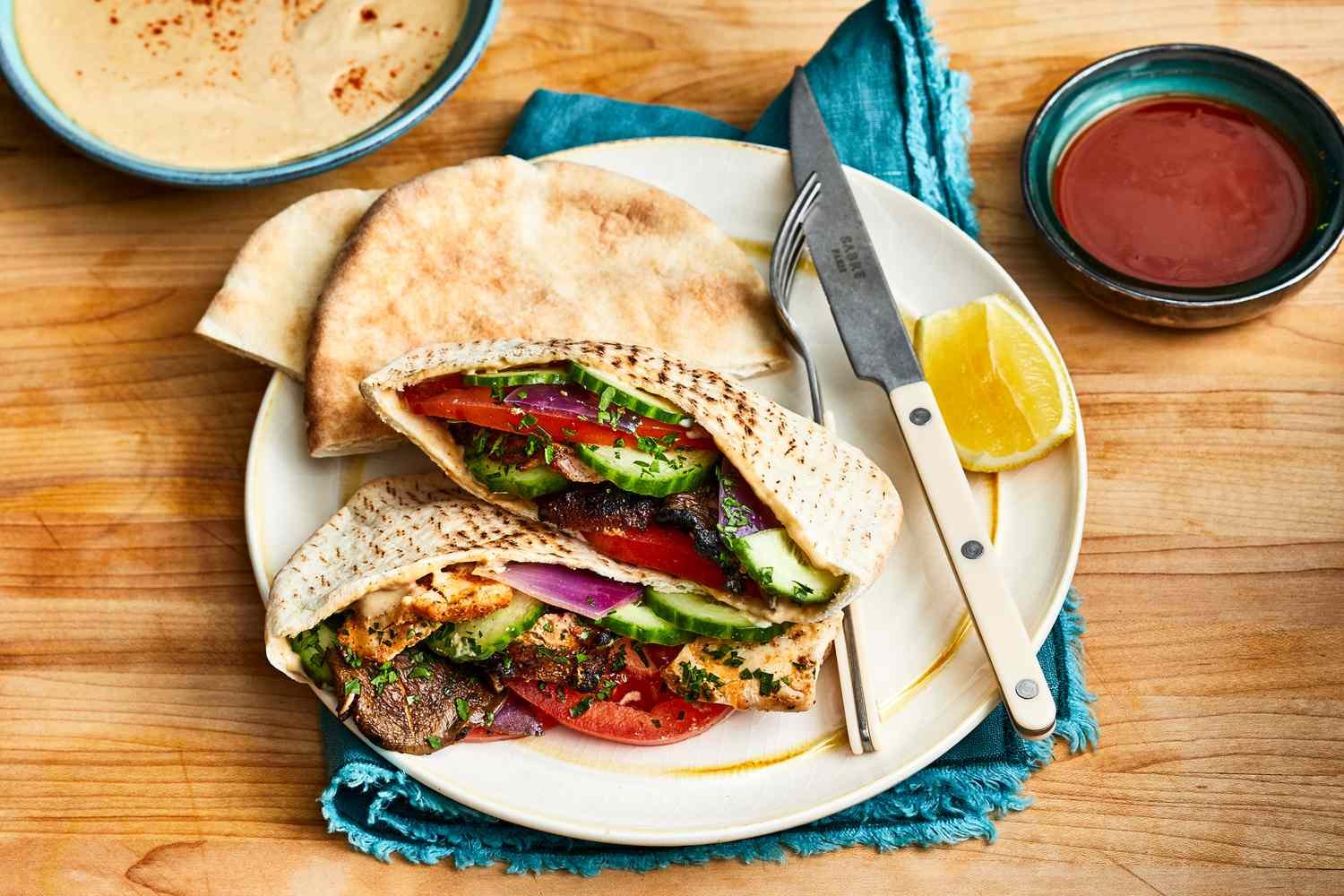
    The Whole Wheat Paneer Vegetable Shawarma is one of those dishes that sneaks up on you. It’s not trying to be fancy—it’s just honest street-food comfort with an Indian heart and a healthier twist. Imagine the smoky, spiced paneer hitting your tongue, wrapped in a soft whole wheat flatbread with crisp veggies and a tangy sauce that makes everything pop. I first tried something like this years ago at a small roadside stall in North India, but it was loaded with maida and mayo. When I started making it at home with whole wheat and fresh ingredients, it became my go-to for quick dinners or when friends drop by unexpectedly. It’s satisfying without the guilt, high in protein from the paneer, fiber from the whole grains, and packed with veggies for that fresh crunch.

    This version keeps the soul of Middle Eastern shawarma—marinated protein, pickled elements, creamy sauce—but swaps meat for paneer and refines the wrap for everyday Indian kitchens. It’s vegetarian, customizable, and surprisingly easy once you get the marinade right.

    What Exactly Is a Whole Wheat Paneer Vegetable Shawarma?

    At its core, it’s a hearty wrap where marinated and grilled paneer strips meet sautéed or fresh vegetables like bell peppers, onions, tomatoes, and sometimes carrots or cabbage. Everything gets tucked into a homemade whole wheat flatbread (think thicker, nuttier roti or simple pita-style), often with a yogurt-based garlic sauce or chutney. The “whole wheat” part elevates it from junk food to something you can eat regularly without feeling heavy.

    Unlike traditional shawarma that’s vertical-roasted meat shaved thin, this is a pan-grilled or tawa version—quick, home-friendly, and no special equipment needed. The vegetable element adds color, texture, and nutrition, making it a complete meal in one hand.

    The Origins and Evolution of Paneer Shawarma in India

    Shawarma traveled to India through Middle Eastern influences, especially in cities with Arab communities or tourist spots. Over time, street vendors adapted it with local twists—chicken or mutton first, then paneer for vegetarians who dominate North Indian food scenes. The whole wheat version popped up as health awareness grew; people wanted the street vibe without refined flour or excess oil.

    In places like Delhi, Mumbai, or even smaller towns, you’ll spot “veg shawarma” stalls using paneer or soya. The whole wheat upgrade is more home-cook territory—moms making it for kids, fitness enthusiasts loading up protein, or anyone tired of greasy takeaways. It’s fusion done right: Arabic technique meets Punjabi paneer love.

    Why Choose Whole Wheat for Your Shawarma Wrap?

    Whole wheat brings nutty flavor and better nutrition compared to all-purpose flour. It has more fiber, which helps with digestion and keeps you full longer—perfect for a meal that might replace fast food.

    Pros of whole wheat wrap:

    • Higher fiber content aids gut health and blood sugar control
    • Adds a hearty, rustic taste that pairs beautifully with spiced paneer
    • More filling, so one shawarma feels substantial
    • Easier to digest than refined versions for many people

    Cons:

    • Slightly denser texture—needs good kneading to stay soft
    • Can dry out if overcooked, so brush with a little oil or ghee
    • Takes a bit more effort to roll thin without tearing

    If you’re new to whole wheat dough, start small. Once you nail it, regular rotis feel boring by comparison.

    Nutritional Breakdown: Why This Shawarma Is Actually Good for You

    A single serving (one large wrap) clocks in around 450-550 calories, depending on portions. Paneer delivers 18-20g protein, whole wheat adds complex carbs and fiber (about 6-8g), and veggies bring vitamins A, C, and K.

    Compared to a typical chicken shawarma roll from a street cart (often 700+ calories with mayo and maida), this is lighter yet more satiating. It’s naturally lower in saturated fats if you grill instead of deep-fry, and you control the salt and oil.

    Here’s a quick comparison table:

    AspectStreet Chicken ShawarmaWhole Wheat Paneer Veg Shawarma
    Calories (approx.)650-800450-550
    Protein25-30g20-25g
    FiberLow (2-4g)High (6-10g)
    BaseMaida/refinedWhole wheat
    VeggiesMinimalGenerous
    SauceOften mayo-basedYogurt-based

    It’s a smart swap for anyone watching weight or wanting balanced macros.

    Key Ingredients for Authentic Flavor

    Gather these for 4-5 shawarmas:

    • Paneer: 400g firm, cut into thin strips or cubes
    • Whole wheat flour: 2 cups for dough
    • Veggies: 2 bell peppers (mixed colors), 2 onions, 2 tomatoes, 1 carrot (julienned), cabbage optional
    • Marinade: Yogurt (1/2 cup), ginger-garlic paste (1 tbsp), lemon juice (2 tbsp), garam masala (1 tsp), cumin powder (1 tsp), coriander powder (1 tsp), red chili powder (1 tsp), turmeric (1/4 tsp), salt, oil (1-2 tbsp)
    • Sauce: Hung curd or Greek yogurt (1 cup), garlic (minced), lemon, salt, optional tahini or mint chutney
    • Extras: Pickled veggies (cucumber/onion in vinegar-lemon), fresh coriander, chaat masala for sprinkle

    Fresh, good-quality paneer makes all the difference—avoid the frozen stuff if possible.

    Step-by-Step Recipe: Making the Whole Wheat Paneer Vegetable Shawarma

    First, the wrap. Mix whole wheat flour with a pinch of salt, a teaspoon of oil, and knead with water into a soft dough. Rest 20-30 minutes. Divide into balls, roll thin (not paper-thin like roti—aim for slightly thicker for sturdiness), cook on hot tawa with light oil or ghee. Keep wrapped in cloth to stay soft.

    For the paneer: Whisk marinade ingredients. Coat paneer strips, let sit 30 minutes (or overnight in fridge for deeper flavor). Heat a non-stick pan or grill, cook paneer 3-4 minutes per side till golden and charred edges appear. Don’t overcook—it turns rubbery.

    Veggies: Slice thin. Sauté lightly with a dash of oil, salt, and pepper for 2-3 minutes—they should stay crunchy. Or keep raw for freshness.

    Sauce: Mix yogurt with minced garlic, lemon, salt, and a pinch of cumin. Thin with water if needed.

    Assembly: Spread sauce on warm wrap. Layer paneer, veggies, pickled onions/cucumber, fresh coriander. Roll tightly, wrap in foil or paper for easy eating. Slice in half diagonally for that classic look.

    Pro tip: Warm the wrap just before filling—it makes rolling easier and everything melds better.

    Variations to Keep It Interesting

    • Spicy version: Add extra chili flakes or green chutney in marinade.
    • Protein boost: Mix in grilled tofu or boiled chickpeas.
    • Low-carb twist: Use lettuce leaves instead of wrap for a salad-style bowl.
    • Jain-friendly: Skip onion/garlic, use ginger and asafoetida.
    • Fusion: Add cheese slice or schezwan sauce for Indo-Chinese vibe.

    One time I added roasted mushrooms—game-changer for earthy depth.

    Common Mistakes and How to Avoid Them

    Over-marinating paneer makes it mushy—30-60 minutes max unless yogurt is very thick.

    Rolling dough too thin tears when wrapping heavy fillings. Practice on a floured surface.

    Skipping the rest time for dough leads to stiff wraps. Patience pays off.

    Not charring the paneer enough—those grilled bits carry the flavor.

    Using watery yogurt for sauce—hang it or use Greek for thickness.

    People Also Ask (Based on Common Searches)

    Is paneer shawarma healthy? Yes, especially this whole wheat version. It’s high in protein, has good fiber from whole grains and veggies, and lower calories than meat versions if grilled.

    Can I make whole wheat pita bread at home without yeast? Absolutely—just use the simple roti-style dough with baking soda for slight lift. No yeast needed for tasty results.

    What sauce goes best with paneer shawarma? Garlic yogurt sauce is classic, but mint chutney or tahini adds variety. Avoid heavy mayo for healthier appeal.

    Is shawarma the same as a wrap or roll? Shawarma traditionally means vertically roasted meat, but in India, “shawarma roll” is basically a spiced filling in flatbread—similar to a wrap but with distinct Middle Eastern spices.

    How long does paneer shawarma last? Best fresh, but assembled wraps keep 1 day in fridge. Store components separately for 2-3 days.

    FAQ

    Q: Can I prepare this ahead for meal prep? A: Yes—marinate paneer and make dough in advance. Cook components day-of or store cooked paneer/veggies refrigerated up to 3 days. Reheat gently.

    Q: What if I don’t have hung curd for sauce? A: Regular thick yogurt works; strain through muslin for 30 minutes to thicken.

    Q: Is this kid-friendly? A: Totally—reduce chili, add cheese if they like. My niece devours it without the heat.

    Q: Can I bake the paneer instead of pan-frying? A: Yes, 200°C for 12-15 minutes, flipping halfway. Brush with oil for crispiness.

    Q: What’s a good side dish? A: Fries, salad, or just eat solo—it’s filling enough.

    This dish has become my weekend ritual. There’s something magical about rolling it up, the spices wafting, knowing it’s nourishing. Give it a try next time you’re craving something flavorful yet feel-good. You might never go back to plain rolls again.