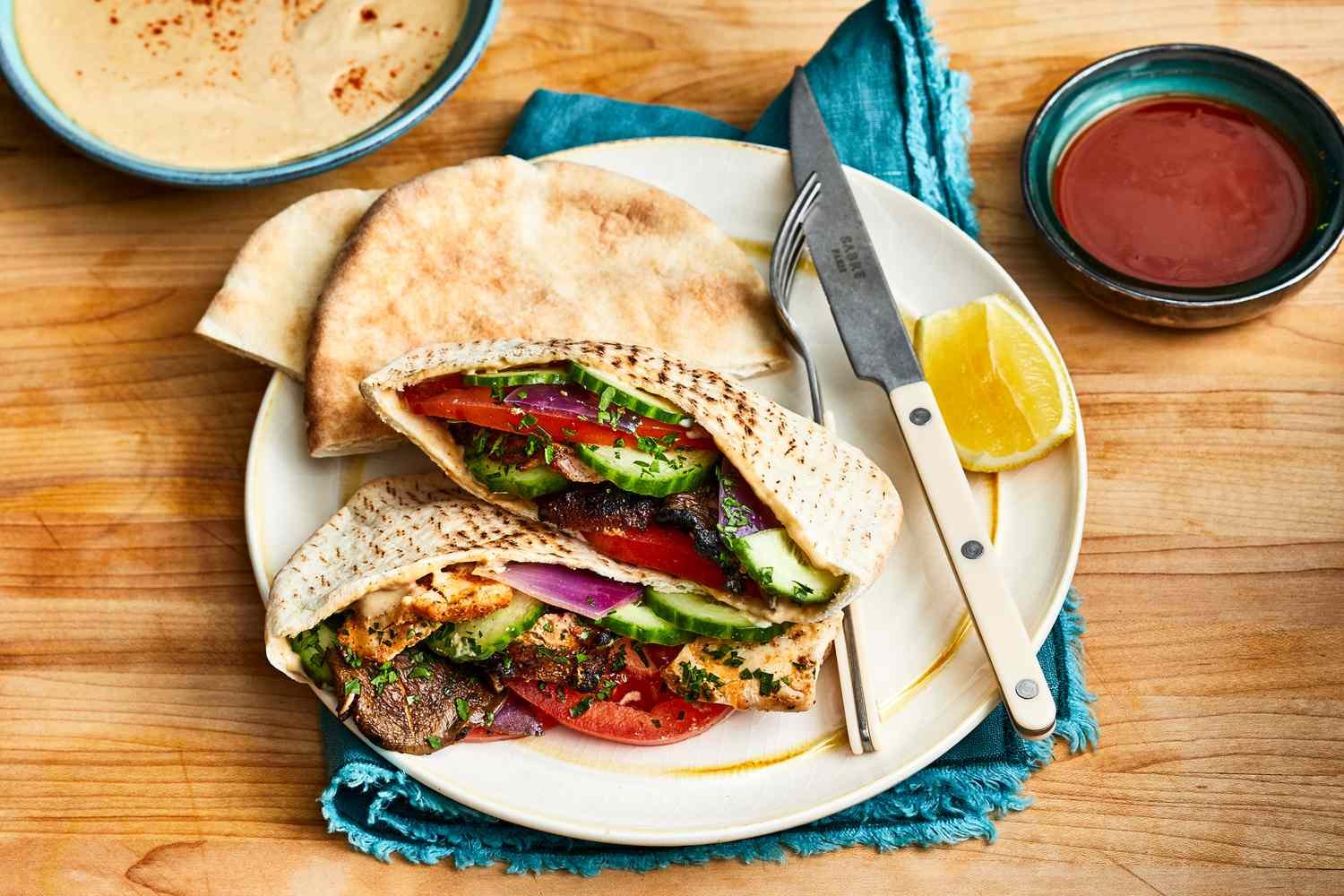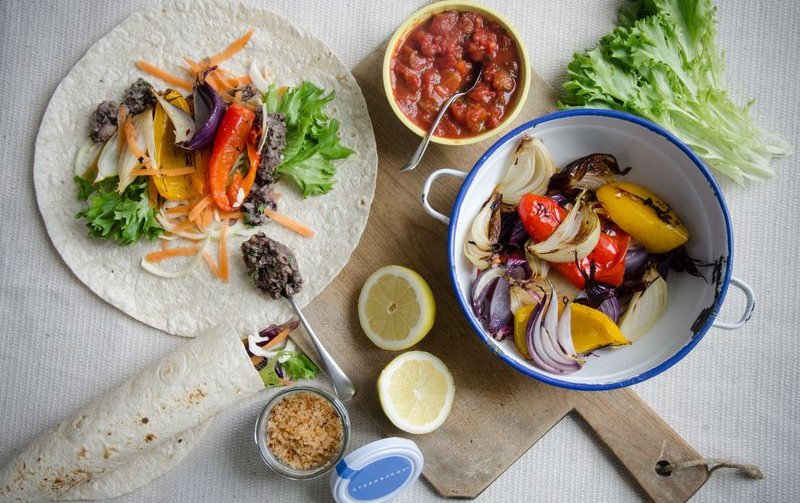
Category: Vegetable shawarma

Vegetable shawarma

  • Vegetable Shawarma

    Vegetable Shawarma

    The article on Vegetable Shawarma draws from deep research into its roots, popular recipes, and modern adaptations. Traditional shawarma hails from the Levant region during the Ottoman era, featuring spit-roasted meat, but vegetable versions have surged as a flavorful, plant-based twist—often using roasted cauliflower, chickpeas, mushrooms, or eggplant to mimic that meaty texture and bold spice profile.

    I remember the first time I tried a proper veggie shawarma at a small Middle Eastern spot in a bustling city market. I was skeptical—how could veggies stand up to the rich, spiced layers of the classic chicken or lamb version? One bite in, wrapped in warm pita with tahini dripping and pickles crunching, and I was hooked. It wasn’t just food; it felt like a clever, delicious rebellion against the idea that hearty street eats need meat. That experience stuck with me, and it’s why I keep coming back to this dish—it’s versatile, satisfying, and surprisingly easy to nail at home.

    Vegetable shawarma captures the essence of Middle Eastern street food while opening the door to healthier, meat-free meals. Whether you’re vegetarian, vegan, or just craving something lighter on a busy weeknight, this dish delivers big on flavor without the heaviness.

    What Is Vegetable Shawarma?

    Vegetable shawarma reimagines the iconic Levantine dish by swapping meat for hearty veggies and legumes. Instead of lamb or chicken layered on a vertical spit, you get roasted or sautéed vegetables infused with the same warm spice blend—think cumin, paprika, turmeric, cinnamon, and garlic—that gives shawarma its signature aroma.

    The result is a wrap, bowl, or plate loaded with crispy-edged veggies, fresh toppings, and creamy sauces. It’s become a staple in vegan and vegetarian circles, especially in places like the US, UK, and India, where street-food fusion thrives. Many home cooks roast everything on a sheet pan for simplicity, turning a once-specialty item into everyday comfort food.

    This adaptation keeps the soul of shawarma intact while making it accessible to more eaters. It’s proof that bold spices can transform simple ingredients into something crave-worthy.

    The History and Origins of Shawarma – And How Veggie Versions Evolved

    Shawarma traces back to the Ottoman Empire in the 19th century, evolving from Turkish döner kebab. The name comes from the Arabic for “turning,” referring to the vertical rotisserie where thin meat slices roast slowly, dripping juices and crisping on the edges. It spread across the Levant—Lebanon, Syria, Jordan—and became a street-food icon, often wrapped in pita with tahini, pickles, and veggies.

    Traditional versions featured lamb, mutton, or later chicken and beef, seasoned heavily with Middle Eastern spices. As global diets shifted toward plant-based eating in recent decades, creative cooks began experimenting. Cauliflower’s florets mimic meat’s texture when roasted, chickpeas add protein and crunch, and mushrooms bring umami depth.

    In the West, places like food trucks and chains popularized veggie shawarma in the 2010s, often as a vegan option. It’s not “authentic” in the strict sense—no Ottoman chef was roasting cauliflower cones—but it honors the spirit by focusing on spice-forward, shareable eats. Today, you’ll find it everywhere from home kitchens to high-end Mediterranean spots.

    Key Differences: Vegetable Shawarma vs. Traditional Chicken or Meat Shawarma

    While both share the same spice backbone and wrap-style presentation, the swap changes things in meaningful ways.

    Traditional chicken shawarma relies on marinated poultry for juicy tenderness and protein punch. Vegetable versions lean on plant power—fiber from veggies, plant protein from chickpeas or beans—for a lighter, gut-friendlier bite.

    Here’s a quick comparison:

    • Texture — Meat offers shreddable juiciness; veggies provide crisp edges from roasting and chew from legumes.
    • Flavor Profile — Both warm and aromatic, but veggie shawarma often highlights earthier notes from cauliflower or mushrooms.
    • Calories and Nutrition — A typical veggie wrap lands around 400–500 calories (depending on portions and sauces), lower in saturated fat but higher in fiber.
    • Prep Time — Veggie versions skip long marinades; sheet-pan roasting takes 30–40 minutes.
    • Dietary Fit — Veggie/vegan by default; meat versions suit omnivores but exclude plant-based eaters.

    Pros of vegetable shawarma include being lighter, more affordable, and customizable. Cons? It lacks that rich meaty savoriness some crave—though bold spices and sauces close the gap nicely.

    Essential Ingredients for the Best Vegetable Shawarma

    The magic starts with the right mix. Core veggies include cauliflower (for bulk and crisp), bell peppers (sweet crunch), red onions (sharp bite), and chickpeas (protein and texture). Mushrooms or eggplant add meatiness in some recipes.

    The shawarma spice blend is non-negotiable. A homemade mix might include:

    • 2 tsp ground cumin
    • 2 tsp paprika (smoked for extra depth)
    • 1 tsp turmeric
    • 1 tsp cinnamon
    • 1 tsp garlic powder
    • ½ tsp ground coriander
    • ½ tsp black pepper
    • Pinch of cayenne or chili flakes

    Olive oil, lemon juice, and garlic bind it all. For wraps, grab pita or lavash bread. Toppings like tahini sauce, garlic sauce (or vegan tzatziki), pickled veggies, tomatoes, lettuce, and fresh herbs complete the package.

    Step-by-Step: How to Make Homemade Vegetable Shawarma

    Start by preheating your oven to 425°F (220°C). Chop your veggies into bite-sized pieces—cauliflower florets, sliced peppers, onions, maybe sweet potato cubes for sweetness.

    Toss everything (including drained chickpeas) in a large bowl with olive oil, lemon juice, minced garlic, and your spice blend. Spread on a lined sheet pan in a single layer for max crispiness. Roast 25–35 minutes, flipping halfway, until edges brown and veggies tenderize.

    While roasting, whip up sauces. A simple tahini sauce mixes tahini, lemon, garlic, water, and salt until creamy. For garlic sauce, blend yogurt (or vegan alternative), garlic, lemon, and herbs.

    Warm your pita, spread sauce, pile on roasted veggies, add fresh toppings, roll tightly, and slice. Serve immediately for the best contrast of hot/crispy and cool/crunchy.

    One tip from my kitchen trials: Add a sprinkle of sumac or za’atar at the end for bright, tangy lift.

    Popular Variations of Vegetable Shawarma

    • Cauliflower Chickpea Classic — The most common, sheet-pan style with tahini drizzle.
    • Mushroom Shawarma — Thin-sliced portobellos or king oysters for “meaty” chew, griddled for char.
    • Paneer or Tofu Twist (Indian fusion) — Spiced paneer cubes or marinated tofu for extra protein.
    • Jackfruit Version — Young jackfruit sautéed for pulled “meat” texture.
    • Eggplant or Sweet Potato Focus — For richer, sweeter profiles.

    Each keeps the spices central but plays with textures to suit preferences.

    Nutritional Benefits and Considerations

    Vegetable shawarma shines nutritionally. A serving (one wrap) typically offers:

    • Calories — 400–500
    • Protein — 10–16g (from chickpeas/veggies)
    • Fiber — High, aiding digestion
    • Vitamins — Vitamin C from peppers, antioxidants from spices

    It’s lower in saturated fat than meat versions and naturally gluten-free if using appropriate bread. Watch portions with sauces—tahini adds healthy fats but calories add up.

    For balanced meals, pair with a side salad or rice.

    People Also Ask (PAA) About Vegetable Shawarma

    Is vegetable shawarma healthy? Yes—loaded with veggies, fiber, and plant protein, it’s lighter and nutrient-dense compared to meat versions, especially when homemade with minimal oil.

    What does vegetable shawarma taste like? Warm, earthy spices with crispy roasted veggies, tangy sauce, and fresh crunch—familiar shawarma flavor but brighter and less heavy.

    Can I make vegetable shawarma vegan? Absolutely—use plant-based yogurt or tahini for sauces, and skip any dairy. Most recipes are naturally vegan-friendly.

    What’s the best substitute for meat in shawarma? Cauliflower and chickpeas top the list for texture and absorbency, followed by mushrooms or jackfruit.

    How do I store leftover vegetable shawarma? Keep roasted veggies separate in an airtight container for 3–4 days. Reheat in oven for crispiness; assemble fresh wraps.

    FAQ: Quick Answers to Common Questions

    What spices are in vegetable shawarma? Cumin, paprika, turmeric, cinnamon, garlic powder, coriander, and black pepper form the core blend—adjust heat with cayenne.

    Is vegetable shawarma the same as falafel? No—falafel uses fried chickpea patties; shawarma features spiced roasted veggies in wraps.

    Can I make it without an oven? Yes—sauté in a pan or use an air fryer for similar crisp results in less time.

    What’s a good side dish? Tabbouleh, hummus, fattoush salad, or simple rice pilaf complement the flavors perfectly.

    Vegetable shawarma isn’t just a substitute—it’s a standout dish that proves plant-based food can be bold, comforting, and downright addictive. Next time you’re craving street-food vibes without the guilt, give this a go. Your kitchen (and taste buds) will thank you.
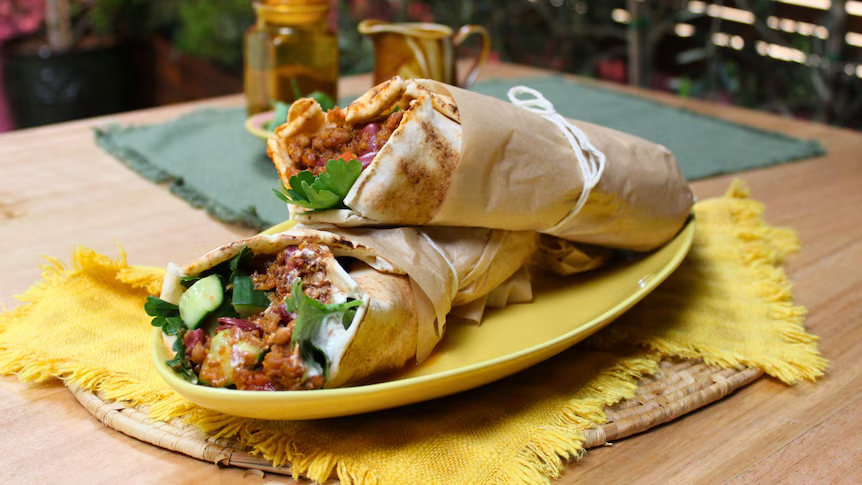
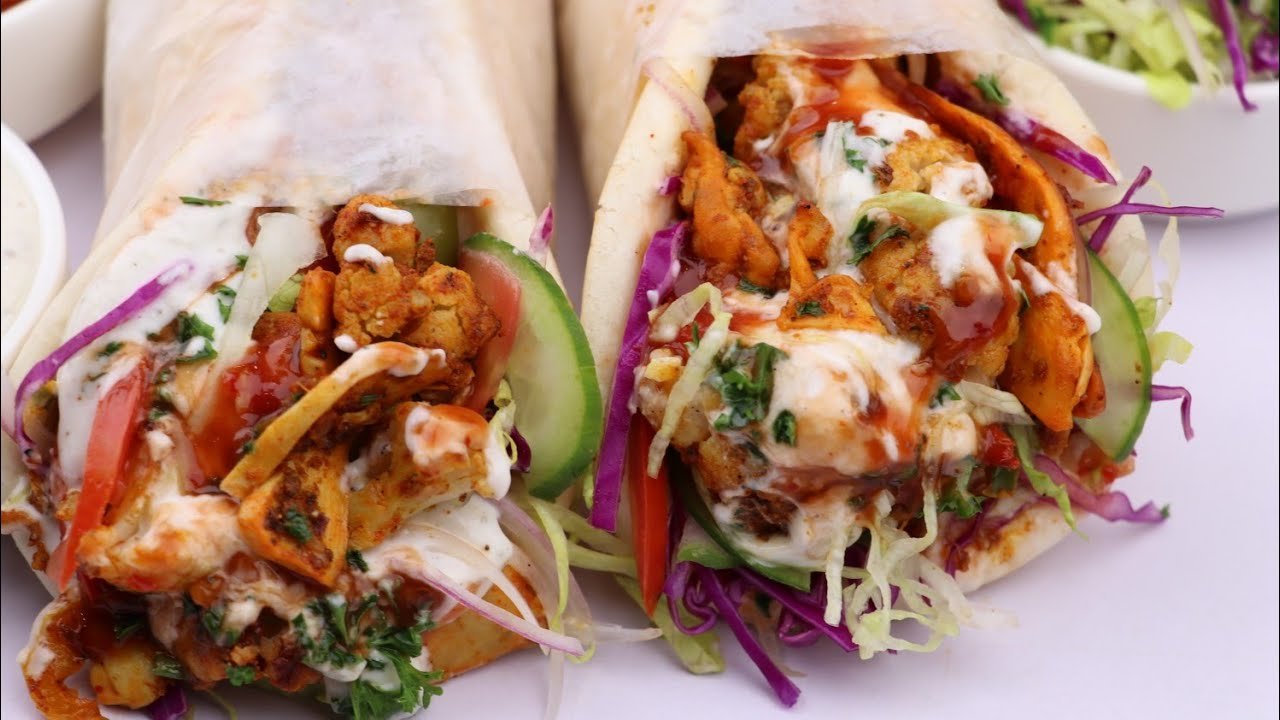
  • Sheet Pan Chicken Shawarma and Vegetable Wraps

    Sheet Pan Chicken Shawarma and Vegetable Wraps

    The Sheet Pan Chicken Shawarma and Vegetable Wraps dish brings the bold, aromatic flavors of Middle Eastern street food right into your kitchen with almost no fuss. Imagine juicy, spice-rubbed chicken thighs roasted alongside colorful vegetables on a single pan, then tucked into warm wraps with fresh toppings and a creamy sauce. It’s the kind of meal that feels indulgent yet comes together effortlessly on busy weeknights. I first stumbled upon this concept years ago when I was craving shawarma but didn’t have a rotisserie or hours to spare—turning to a sheet pan changed everything.

    This approach captures the essence of traditional chicken shawarma—the warm cumin, coriander, paprika, and hints of cinnamon or turmeric—without the vertical spit or long marinating time many authentic versions demand. Instead, everything roasts together, allowing the chicken to absorb those spices while the vegetables caramelize for extra sweetness and depth. The result? Tender, flavorful bites wrapped in soft pita or flatbread with crisp veggies and a tangy sauce that ties it all together.

    What Makes Sheet Pan Chicken Shawarma So Special?

    Sheet pan dinners have become a lifesaver in my kitchen because they minimize cleanup while maximizing flavor. For shawarma-inspired wraps, the magic happens as the chicken and veggies roast at high heat, creating those coveted crispy edges reminiscent of street-vendor meat shaved off the spit.

    Unlike grilling or stovetop methods that require constant attention, this hands-off technique lets you prep toppings or relax while the oven does the work. It’s also incredibly versatile—swap veggies based on what’s in season or your fridge, and adjust spice levels to suit your taste.

    The Key Ingredients for Authentic Flavor

    To nail that classic shawarma taste, focus on a balanced spice blend and quality proteins plus produce.

    • Chicken: Boneless, skinless thighs are ideal—they stay juicy during roasting and shred or slice beautifully. Breasts work too but can dry out if overcooked.
    • Spices: A mix of ground cumin, coriander, smoked paprika, turmeric, garlic powder, onion powder, cinnamon, allspice, cayenne (for heat), salt, and black pepper. Some recipes add oregano or cardamom for extra aroma.
    • Vegetables: Carrots, red bell peppers, red onions, zucchini, or chickpeas roast wonderfully and add color, texture, and nutrition.
    • For the wraps: Pita bread, naan, or large flour tortillas; fresh lettuce, tomatoes, cucumbers, pickles; and a sauce like garlic yogurt, tahini, or tzatziki.

    A simple marinade or toss with olive oil, lemon juice, and minced garlic brings everything together before hitting the pan.

    Step-by-Step Recipe: Sheet Pan Chicken Shawarma and Vegetable Wraps

    This version draws from popular home-cook favorites, yielding about 4-6 wraps. Prep time is around 15 minutes, with 25-35 minutes roasting.

    Ingredients (Chicken and Veggies)

    • 1.5 lbs boneless skinless chicken thighs, cut into 1-2 inch pieces
    • 1 large red onion, sliced into wedges
    • 2 bell peppers (any color), sliced
    • 2-3 carrots, peeled and sliced into sticks or rounds
    • 3 Tbsp olive oil
    • Juice of 1 lemon (about 3 Tbsp)
    • 4 garlic cloves, minced
    • 2 tsp ground cumin
    • 2 tsp smoked paprika
    • 1 tsp ground coriander
    • 1 tsp ground turmeric
    • ½ tsp ground cinnamon
    • ½ tsp cayenne pepper (adjust for heat)
    • Salt and black pepper to taste

    For Serving

    • 4-6 pita breads or wraps, warmed
    • Shredded lettuce or romaine
    • Diced tomatoes and cucumbers
    • Pickled turnips or red onions (optional but traditional)
    • Tahini sauce, garlic yogurt sauce, or tzatziki
    • Fresh parsley or mint for garnish

    Instructions

    Preheat your oven to 425°F (220°C) and line a large rimmed sheet pan with parchment or foil for easy cleanup.

    In a large bowl, whisk together the olive oil, lemon juice, garlic, and all spices. Add the chicken pieces and toss to coat evenly. Let it sit for 10 minutes while you prep veggies (or marinate longer in the fridge if you have time—up to overnight for deeper flavor).

    Scatter the sliced onion, bell peppers, and carrots on the sheet pan. Drizzle with a bit more oil if needed, season lightly with salt and pepper, then nestle the spiced chicken among them in a single layer—don’t overcrowd, or things steam instead of roast.

    Roast for 25-35 minutes, flipping halfway through, until the chicken reaches 165°F internally and edges are golden and slightly charred. The veggies should be tender with caramelized bits.

    Remove from oven, let rest a few minutes, then slice or chop the chicken if desired.

    Assembling the Wraps

    Warm your pita or tortillas. Spread a generous layer of sauce on the base, add a handful of fresh lettuce, pile on roasted chicken and veggies, top with tomatoes, cucumbers, and pickles. Drizzle more sauce, sprinkle herbs, roll tightly, and slice in half if needed.

    One bite, and you’ll get that perfect mix of warm spices, juicy meat, sweet roasted veggies, and cool crunch—pure comfort.

    Why This Beats Takeout (Pros and Cons)

    Pros

    • Easy cleanup: One pan means fewer dishes.
    • Nutritious: Packed with lean protein, fiber-rich veggies, and healthy fats from olive oil.
    • Customizable: Make it milder for kids, spicier for adults, or veggie-heavy.
    • Meal prep friendly: Roast ahead, store components separately, assemble fresh.
    • Budget-friendly: Uses affordable chicken thighs and pantry spices.

    Cons

    • Not traditional rotisserie texture (no vertical stack for ultra-thin slices).
    • Requires an oven—less ideal in hot summer months without AC.
    • Spice measurements need tweaking if your blend is old or mild.

    Overall, the convenience wins every time.

    Popular Variations to Try

    Switch it up to keep things exciting:

    • Add chickpeas or cauliflower florets for more plant-based bulk.
    • Use sweet potatoes instead of carrots for a fall twist.
    • Go low-carb with lettuce wraps or over a salad.
    • Make it dairy-free with tahini sauce instead of yogurt-based.
    • Add feta or olives for a Mediterranean flair.

    One time, I tossed in zucchini and eggplant—roasted veggies became so caramelized they stole the show.

    Sauce Options: The Finishing Touch

    No shawarma wrap is complete without sauce. Here are quick ideas:

    • Garlic Yogurt Sauce: Mix Greek yogurt, minced garlic, lemon juice, salt, and dill.
    • Tahini Sauce: Thin tahini with lemon juice, water, garlic, and a pinch of cumin.
    • Tzatziki: Cucumber, yogurt, garlic, lemon—cool and refreshing.

    Drizzle generously; it balances the warm spices beautifully.

    People Also Ask (Common Questions)

    What is chicken shawarma? It’s a Middle Eastern dish of spiced, marinated chicken stacked and slow-roasted on a vertical spit, then shaved thin and served in wraps or platters with veggies and sauces.

    Can I make sheet pan chicken shawarma ahead? Yes—roast the chicken and veggies up to 3 days in advance. Reheat in a 350°F oven to crisp edges, then assemble wraps fresh.

    Is chicken shawarma healthy? This version is nutritious: high in protein from chicken, vitamins from veggies, and uses heart-healthy olive oil. Portion control and sauce choices keep it balanced.

    What sides go with chicken shawarma wraps? Try rice pilaf, tabbouleh, hummus with pita chips, or a simple cucumber-tomato salad. Fries are classic too.

    Can I use chicken breast instead of thighs? Sure, but thighs stay juicier. If using breasts, cut into similar sizes and check doneness early to avoid drying.

    Nutritional Benefits and Tips

    Each serving (one wrap) roughly offers 400-550 calories, depending on portions, with solid protein (25-35g), fiber from veggies, and antioxidants from spices like turmeric. It’s gluten-free if using appropriate wraps.

    Pro tip: For extra char, broil the pan for 2-3 minutes at the end—watch closely to prevent burning.

    This dish has become a staple in my rotation because it delivers big flavor with minimal effort. Next time you’re tempted by takeout, give this sheet pan version a shot—you might never go back.

    If you’re new to shawarma spices, start with a store-bought blend for simplicity, then experiment with homemade. Either way, these wraps will fill your kitchen with incredible aromas and your plate with satisfaction.

  • Vegetarian Shawarma Tacos

    Vegetarian Shawarma Tacos

    The fusion of vegetarian shawarma tacos hits different—it’s that perfect mash-up where Middle Eastern street food meets Mexican handheld goodness. Imagine the warm, earthy spices of shawarma (think cumin, coriander, paprika, turmeric, cinnamon, all those bold flavors) wrapping around tender roasted veggies or legumes, then tucked into a soft corn tortilla with creamy tahini sauce, fresh pickles, and maybe a kick of zhoug or garlic yogurt. No meat needed, yet it delivers that same satisfying, crave-worthy bite.

    I first stumbled on this idea a few years back during a particularly veggie-heavy month. I was craving shawarma from my favorite spot in the city, but the traditional lamb or chicken versions weren’t an option. So, I experimented in the kitchen with roasted cauliflower and chickpeas, slathered them in homemade shawarma spice, and threw them on tortillas instead of pita. The result? Magic. My friends still talk about those tacos like they were life-changing. There’s something joyful about taking two beloved comfort foods and blending them into one.

    What Makes Vegetarian Shawarma Tacos So Special?

    This dish bridges cultures in the best way. Shawarma’s origins trace back to Ottoman rotisserie-style meats, slow-roasted and shaved thin, served with tahini, pickles, and flatbread. Tacos, rooted in Mexican tradition, bring corn tortillas, fresh toppings, and that casual, eat-with-your-hands vibe.

    When you go vegetarian, the “meat” becomes the star through smart swaps like mushrooms for chewiness, cauliflower for crisp edges, chickpeas for protein-packed heartiness, or lentils for earthy depth. The spices stay true to shawarma, but the format shifts to tacos for easier assembly and portion control. It’s healthier, more accessible, and endlessly customizable.

    The Core of Shawarma Flavor: The Spice Blend

    No vegetarian shawarma tacos worth their salt skip a killer spice mix. Traditional shawarma seasoning is warm, aromatic, and slightly smoky.

    A solid homemade blend includes:

    • Ground cumin (earthy base)
    • Ground coriander (citrusy brightness)
    • Paprika or smoked paprika (color and mild heat)
    • Turmeric (golden hue and anti-inflammatory perks)
    • Ground cinnamon (subtle sweetness)
    • Allspice or cardamom (for that distinctive Middle Eastern depth)
    • Garlic powder, onion powder, black pepper, and a pinch of cayenne or chili flakes

    Mix 2–3 tablespoons total for a batch serving 4–6 people. Toast the spices lightly in a dry pan first to wake up the flavors—trust me, it makes a difference.

    Popular Vegetarian Protein Options for Shawarma Tacos

    Different veggies shine in different ways. Here’s a quick comparison to help you choose:

    Protein BaseTexturePrep TimeFlavor AbsorptionBest ForProsCons
    Roasted CauliflowerCrispy edges, tender inside30–40 minExcellentClassic veggie versionLow-cal, nutrient-denseCan dry out if over-roasted
    Chickpeas (roasted)Crunchy exterior25–35 minVery goodBudget-friendlyHigh protein, fillingNeeds good draining
    Mushrooms (oyster/portobello)Meaty, chewy20–30 minOutstandingVegan “meat” substituteUmami-rich, quickCan be watery if not cooked right
    Lentils (green/brown)Hearty, grain-like20–30 minGoodHearty, stew-likeCheap, nutritiousLess “shavable” feel
    Tempeh or TofuFirm, sliceable25–40 minExcellentHigh-proteinVersatile, absorbs spices wellNeeds pressing (tofu)

    Cauliflower and mushrooms top my list for that authentic shawarma “shredded” look when sliced post-roast.

    Step-by-Step: Classic Roasted Cauliflower Shawarma Tacos

    This is my go-to recipe that never fails. Serves 4 (about 8–10 tacos).

    Ingredients for the filling:

    • 1 large head cauliflower, cut into small florets
    • 1 can (15 oz) chickpeas, drained and patted dry
    • 3 tbsp olive oil
    • 2–3 tbsp shawarma spice blend (see above)
    • Salt and pepper to taste
    • Juice of 1 lemon

    For toppings:

    • Quick-pickled red onions (slice thin, soak in vinegar + water + sugar + salt for 20 min)
    • Tahini sauce (tahini + lemon + garlic + water to thin)
    • Chopped fresh parsley or cilantro
    • Diced tomatoes or cucumber
    • Optional: Zhoug (spicy green herb sauce) or garlic yogurt
    • Corn or flour tortillas, warmed

    Instructions: Preheat oven to 425°F (220°C). Toss cauliflower and chickpeas with oil, spices, salt, pepper, and lemon juice. Spread on a baking sheet in a single layer. Roast 25–35 minutes, flipping halfway, until edges are golden and crispy.

    Warm tortillas. Assemble: pile on the roasted mix, add pickles, drizzle tahini, sprinkle herbs. Squeeze extra lemon if you like it zingy.

    The first time I made these, I over-spiced them—my mouth was on fire, but in the best way. Lesson learned: start with less spice and taste as you go.

    Vegan Mushroom Shawarma Tacos Variation

    For a meatier texture, try oyster or portobello mushrooms. Tear them into strips, marinate in shawarma spices + oil + soy sauce for umami, then sauté or roast until browned. They mimic shaved meat surprisingly well.

    Pair with a cilantro-tahini sauce for brightness. Add sumac-dusted onions for tang. This version feels street-food authentic yet totally plant-based.

    Quick Pickled Onions and Other Toppings That Elevate Everything

    Don’t skip the pickles—they cut through the richness. Red onions work best: thin slices in a jar with equal parts vinegar and water, a pinch of salt and sugar, ready in 15–30 minutes.

    Other must-haves:

    • Creamy tahini sauce (always thin with ice water for smoothness)
    • Fresh herbs for pop
    • Crunchy veggies like shredded cabbage or carrots
    • A spicy element: harissa, zhoug, or chili oil

    Nutritional Benefits of Going Vegetarian with This Dish

    These tacos pack serious nutrition without feeling “healthy” in a boring way.

    • Cauliflower: Vitamin C, fiber, low carbs
    • Chickpeas: Plant protein (about 15g per cup), iron, folate
    • Tahini: Healthy fats, calcium
    • Spices: Antioxidants from turmeric, anti-inflammatory cumin

    One serving (2–3 tacos) can hit 20–30g protein, plenty of veggies, and under 600 calories if you watch the oil.

    Hosting a Taco Night: Tips for Feeding a Crowd

    Make the roasted filling ahead—it reheats beautifully. Set up a toppings bar so everyone customizes. Add sides like tabbouleh or fattoush salad.

    Pro tip: Double the spice-roasted veggies; leftovers make killer bowls the next day with rice or quinoa.

    People Also Ask (PAA) Section

    Is shawarma typically vegetarian? No, classic shawarma uses lamb, chicken, or beef, but vegetarian versions with cauliflower, chickpeas, or mushrooms have become popular for their similar spiced, roasted profile.

    What spices are in shawarma seasoning? Typically cumin, coriander, paprika, turmeric, cinnamon, garlic powder, allspice, and black pepper. Homemade lets you adjust heat and sweetness.

    Can I make vegetarian shawarma tacos vegan? Absolutely—skip yogurt-based sauces and use tahini or plant-based yogurt. Mushrooms or lentils keep it fully vegan and flavorful.

    What’s the difference between shawarma and tacos? Shawarma is Middle Eastern spit-roasted meat in flatbread with tahini; tacos are Mexican corn tortillas with various fillings. This fusion combines shawarma spices and toppings in taco form.

    How do I get cauliflower crispy for tacos? Pat dry florets thoroughly, use high heat (425°F+), don’t overcrowd the pan, and roast without stirring too much for browning.

    FAQ: Your Most Common Questions Answered

    How long do these tacos take to make? About 45 minutes total, with 30 minutes hands-off roasting time. Prep toppings while the oven works.

    Can I prep them ahead? Yes—the spiced roast keeps 3–4 days in the fridge. Reheat in a hot skillet for crispiness. Assemble fresh.

    Are they gluten-free? Use corn tortillas and check spice blends for additives. Most are naturally gluten-free.

    What if I don’t like cauliflower? Swap for mushrooms, eggplant strips, or jackfruit for a pulled “meat” texture.

    How spicy are they? Depends on your cayenne. Start mild and add hot sauce at the table for control.

    This vegetarian shawarma tacos recipe isn’t just food—it’s a reminder that the best meals come from blending traditions with a little kitchen courage. Next time you’re craving something bold yet comforting, give it a whirl. Your taste buds (and maybe your friends) will thank you.

  • Untitled post 52

    The Whole Wheat Paneer Vegetable Shawarma is one of those dishes that sneaks up on you. It’s not trying to be fancy—it’s just honest street-food comfort with an Indian heart and a healthier twist. Imagine the smoky, spiced paneer hitting your tongue, wrapped in a soft whole wheat flatbread with crisp veggies and a tangy sauce that makes everything pop. I first tried something like this years ago at a small roadside stall in North India, but it was loaded with maida and mayo. When I started making it at home with whole wheat and fresh ingredients, it became my go-to for quick dinners or when friends drop by unexpectedly. It’s satisfying without the guilt, high in protein from the paneer, fiber from the whole grains, and packed with veggies for that fresh crunch.

    This version keeps the soul of Middle Eastern shawarma—marinated protein, pickled elements, creamy sauce—but swaps meat for paneer and refines the wrap for everyday Indian kitchens. It’s vegetarian, customizable, and surprisingly easy once you get the marinade right.

    What Exactly Is a Whole Wheat Paneer Vegetable Shawarma?

    At its core, it’s a hearty wrap where marinated and grilled paneer strips meet sautéed or fresh vegetables like bell peppers, onions, tomatoes, and sometimes carrots or cabbage. Everything gets tucked into a homemade whole wheat flatbread (think thicker, nuttier roti or simple pita-style), often with a yogurt-based garlic sauce or chutney. The “whole wheat” part elevates it from junk food to something you can eat regularly without feeling heavy.

    Unlike traditional shawarma that’s vertical-roasted meat shaved thin, this is a pan-grilled or tawa version—quick, home-friendly, and no special equipment needed. The vegetable element adds color, texture, and nutrition, making it a complete meal in one hand.

    The Origins and Evolution of Paneer Shawarma in India

    Shawarma traveled to India through Middle Eastern influences, especially in cities with Arab communities or tourist spots. Over time, street vendors adapted it with local twists—chicken or mutton first, then paneer for vegetarians who dominate North Indian food scenes. The whole wheat version popped up as health awareness grew; people wanted the street vibe without refined flour or excess oil.

    In places like Delhi, Mumbai, or even smaller towns, you’ll spot “veg shawarma” stalls using paneer or soya. The whole wheat upgrade is more home-cook territory—moms making it for kids, fitness enthusiasts loading up protein, or anyone tired of greasy takeaways. It’s fusion done right: Arabic technique meets Punjabi paneer love.

    Why Choose Whole Wheat for Your Shawarma Wrap?

    Whole wheat brings nutty flavor and better nutrition compared to all-purpose flour. It has more fiber, which helps with digestion and keeps you full longer—perfect for a meal that might replace fast food.

    Pros of whole wheat wrap:

    • Higher fiber content aids gut health and blood sugar control
    • Adds a hearty, rustic taste that pairs beautifully with spiced paneer
    • More filling, so one shawarma feels substantial
    • Easier to digest than refined versions for many people

    Cons:

    • Slightly denser texture—needs good kneading to stay soft
    • Can dry out if overcooked, so brush with a little oil or ghee
    • Takes a bit more effort to roll thin without tearing

    If you’re new to whole wheat dough, start small. Once you nail it, regular rotis feel boring by comparison.

    Nutritional Breakdown: Why This Shawarma Is Actually Good for You

    A single serving (one large wrap) clocks in around 450-550 calories, depending on portions. Paneer delivers 18-20g protein, whole wheat adds complex carbs and fiber (about 6-8g), and veggies bring vitamins A, C, and K.

    Compared to a typical chicken shawarma roll from a street cart (often 700+ calories with mayo and maida), this is lighter yet more satiating. It’s naturally lower in saturated fats if you grill instead of deep-fry, and you control the salt and oil.

    Here’s a quick comparison table:

    AspectStreet Chicken ShawarmaWhole Wheat Paneer Veg Shawarma
    Calories (approx.)650-800450-550
    Protein25-30g20-25g
    FiberLow (2-4g)High (6-10g)
    BaseMaida/refinedWhole wheat
    VeggiesMinimalGenerous
    SauceOften mayo-basedYogurt-based

    It’s a smart swap for anyone watching weight or wanting balanced macros.

    Key Ingredients for Authentic Flavor

    Gather these for 4-5 shawarmas:

    • Paneer: 400g firm, cut into thin strips or cubes
    • Whole wheat flour: 2 cups for dough
    • Veggies: 2 bell peppers (mixed colors), 2 onions, 2 tomatoes, 1 carrot (julienned), cabbage optional
    • Marinade: Yogurt (1/2 cup), ginger-garlic paste (1 tbsp), lemon juice (2 tbsp), garam masala (1 tsp), cumin powder (1 tsp), coriander powder (1 tsp), red chili powder (1 tsp), turmeric (1/4 tsp), salt, oil (1-2 tbsp)
    • Sauce: Hung curd or Greek yogurt (1 cup), garlic (minced), lemon, salt, optional tahini or mint chutney
    • Extras: Pickled veggies (cucumber/onion in vinegar-lemon), fresh coriander, chaat masala for sprinkle

    Fresh, good-quality paneer makes all the difference—avoid the frozen stuff if possible.

    Step-by-Step Recipe: Making the Whole Wheat Paneer Vegetable Shawarma

    First, the wrap. Mix whole wheat flour with a pinch of salt, a teaspoon of oil, and knead with water into a soft dough. Rest 20-30 minutes. Divide into balls, roll thin (not paper-thin like roti—aim for slightly thicker for sturdiness), cook on hot tawa with light oil or ghee. Keep wrapped in cloth to stay soft.

    For the paneer: Whisk marinade ingredients. Coat paneer strips, let sit 30 minutes (or overnight in fridge for deeper flavor). Heat a non-stick pan or grill, cook paneer 3-4 minutes per side till golden and charred edges appear. Don’t overcook—it turns rubbery.

    Veggies: Slice thin. Sauté lightly with a dash of oil, salt, and pepper for 2-3 minutes—they should stay crunchy. Or keep raw for freshness.

    Sauce: Mix yogurt with minced garlic, lemon, salt, and a pinch of cumin. Thin with water if needed.

    Assembly: Spread sauce on warm wrap. Layer paneer, veggies, pickled onions/cucumber, fresh coriander. Roll tightly, wrap in foil or paper for easy eating. Slice in half diagonally for that classic look.

    Pro tip: Warm the wrap just before filling—it makes rolling easier and everything melds better.

    Variations to Keep It Interesting

    • Spicy version: Add extra chili flakes or green chutney in marinade.
    • Protein boost: Mix in grilled tofu or boiled chickpeas.
    • Low-carb twist: Use lettuce leaves instead of wrap for a salad-style bowl.
    • Jain-friendly: Skip onion/garlic, use ginger and asafoetida.
    • Fusion: Add cheese slice or schezwan sauce for Indo-Chinese vibe.

    One time I added roasted mushrooms—game-changer for earthy depth.

    Common Mistakes and How to Avoid Them

    Over-marinating paneer makes it mushy—30-60 minutes max unless yogurt is very thick.

    Rolling dough too thin tears when wrapping heavy fillings. Practice on a floured surface.

    Skipping the rest time for dough leads to stiff wraps. Patience pays off.

    Not charring the paneer enough—those grilled bits carry the flavor.

    Using watery yogurt for sauce—hang it or use Greek for thickness.

    People Also Ask (Based on Common Searches)

    Is paneer shawarma healthy? Yes, especially this whole wheat version. It’s high in protein, has good fiber from whole grains and veggies, and lower calories than meat versions if grilled.

    Can I make whole wheat pita bread at home without yeast? Absolutely—just use the simple roti-style dough with baking soda for slight lift. No yeast needed for tasty results.

    What sauce goes best with paneer shawarma? Garlic yogurt sauce is classic, but mint chutney or tahini adds variety. Avoid heavy mayo for healthier appeal.

    Is shawarma the same as a wrap or roll? Shawarma traditionally means vertically roasted meat, but in India, “shawarma roll” is basically a spiced filling in flatbread—similar to a wrap but with distinct Middle Eastern spices.

    How long does paneer shawarma last? Best fresh, but assembled wraps keep 1 day in fridge. Store components separately for 2-3 days.

    FAQ

    Q: Can I prepare this ahead for meal prep? A: Yes—marinate paneer and make dough in advance. Cook components day-of or store cooked paneer/veggies refrigerated up to 3 days. Reheat gently.

    Q: What if I don’t have hung curd for sauce? A: Regular thick yogurt works; strain through muslin for 30 minutes to thicken.

    Q: Is this kid-friendly? A: Totally—reduce chili, add cheese if they like. My niece devours it without the heat.

    Q: Can I bake the paneer instead of pan-frying? A: Yes, 200°C for 12-15 minutes, flipping halfway. Brush with oil for crispiness.

    Q: What’s a good side dish? A: Fries, salad, or just eat solo—it’s filling enough.

    This dish has become my weekend ritual. There’s something magical about rolling it up, the spices wafting, knowing it’s nourishing. Give it a try next time you’re craving something flavorful yet feel-good. You might never go back to plain rolls again.