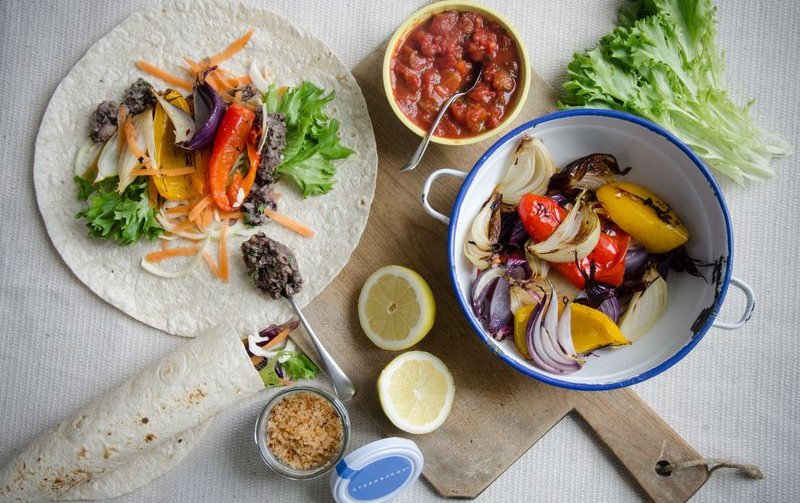
The article on Vegetable Shawarma draws from deep research into its roots, popular recipes, and modern adaptations. Traditional shawarma hails from the Levant region during the Ottoman era, featuring spit-roasted meat, but vegetable versions have surged as a flavorful, plant-based twist—often using roasted cauliflower, chickpeas, mushrooms, or eggplant to mimic that meaty texture and bold spice profile.
I remember the first time I tried a proper veggie shawarma at a small Middle Eastern spot in a bustling city market. I was skeptical—how could veggies stand up to the rich, spiced layers of the classic chicken or lamb version? One bite in, wrapped in warm pita with tahini dripping and pickles crunching, and I was hooked. It wasn’t just food; it felt like a clever, delicious rebellion against the idea that hearty street eats need meat. That experience stuck with me, and it’s why I keep coming back to this dish—it’s versatile, satisfying, and surprisingly easy to nail at home.
Vegetable shawarma captures the essence of Middle Eastern street food while opening the door to healthier, meat-free meals. Whether you’re vegetarian, vegan, or just craving something lighter on a busy weeknight, this dish delivers big on flavor without the heaviness.
What Is Vegetable Shawarma?
Vegetable shawarma reimagines the iconic Levantine dish by swapping meat for hearty veggies and legumes. Instead of lamb or chicken layered on a vertical spit, you get roasted or sautéed vegetables infused with the same warm spice blend—think cumin, paprika, turmeric, cinnamon, and garlic—that gives shawarma its signature aroma.
The result is a wrap, bowl, or plate loaded with crispy-edged veggies, fresh toppings, and creamy sauces. It’s become a staple in vegan and vegetarian circles, especially in places like the US, UK, and India, where street-food fusion thrives. Many home cooks roast everything on a sheet pan for simplicity, turning a once-specialty item into everyday comfort food.
This adaptation keeps the soul of shawarma intact while making it accessible to more eaters. It’s proof that bold spices can transform simple ingredients into something crave-worthy.
The History and Origins of Shawarma – And How Veggie Versions Evolved
Shawarma traces back to the Ottoman Empire in the 19th century, evolving from Turkish döner kebab. The name comes from the Arabic for “turning,” referring to the vertical rotisserie where thin meat slices roast slowly, dripping juices and crisping on the edges. It spread across the Levant—Lebanon, Syria, Jordan—and became a street-food icon, often wrapped in pita with tahini, pickles, and veggies.
Traditional versions featured lamb, mutton, or later chicken and beef, seasoned heavily with Middle Eastern spices. As global diets shifted toward plant-based eating in recent decades, creative cooks began experimenting. Cauliflower’s florets mimic meat’s texture when roasted, chickpeas add protein and crunch, and mushrooms bring umami depth.
In the West, places like food trucks and chains popularized veggie shawarma in the 2010s, often as a vegan option. It’s not “authentic” in the strict sense—no Ottoman chef was roasting cauliflower cones—but it honors the spirit by focusing on spice-forward, shareable eats. Today, you’ll find it everywhere from home kitchens to high-end Mediterranean spots.
Key Differences: Vegetable Shawarma vs. Traditional Chicken or Meat Shawarma
While both share the same spice backbone and wrap-style presentation, the swap changes things in meaningful ways.
Traditional chicken shawarma relies on marinated poultry for juicy tenderness and protein punch. Vegetable versions lean on plant power—fiber from veggies, plant protein from chickpeas or beans—for a lighter, gut-friendlier bite.
Here’s a quick comparison:
- Texture — Meat offers shreddable juiciness; veggies provide crisp edges from roasting and chew from legumes.
- Flavor Profile — Both warm and aromatic, but veggie shawarma often highlights earthier notes from cauliflower or mushrooms.
- Calories and Nutrition — A typical veggie wrap lands around 400–500 calories (depending on portions and sauces), lower in saturated fat but higher in fiber.
- Prep Time — Veggie versions skip long marinades; sheet-pan roasting takes 30–40 minutes.
- Dietary Fit — Veggie/vegan by default; meat versions suit omnivores but exclude plant-based eaters.
Pros of vegetable shawarma include being lighter, more affordable, and customizable. Cons? It lacks that rich meaty savoriness some crave—though bold spices and sauces close the gap nicely.
Essential Ingredients for the Best Vegetable Shawarma
The magic starts with the right mix. Core veggies include cauliflower (for bulk and crisp), bell peppers (sweet crunch), red onions (sharp bite), and chickpeas (protein and texture). Mushrooms or eggplant add meatiness in some recipes.
The shawarma spice blend is non-negotiable. A homemade mix might include:
- 2 tsp ground cumin
- 2 tsp paprika (smoked for extra depth)
- 1 tsp turmeric
- 1 tsp cinnamon
- 1 tsp garlic powder
- ½ tsp ground coriander
- ½ tsp black pepper
- Pinch of cayenne or chili flakes
Olive oil, lemon juice, and garlic bind it all. For wraps, grab pita or lavash bread. Toppings like tahini sauce, garlic sauce (or vegan tzatziki), pickled veggies, tomatoes, lettuce, and fresh herbs complete the package.
Step-by-Step: How to Make Homemade Vegetable Shawarma
Start by preheating your oven to 425°F (220°C). Chop your veggies into bite-sized pieces—cauliflower florets, sliced peppers, onions, maybe sweet potato cubes for sweetness.
Toss everything (including drained chickpeas) in a large bowl with olive oil, lemon juice, minced garlic, and your spice blend. Spread on a lined sheet pan in a single layer for max crispiness. Roast 25–35 minutes, flipping halfway, until edges brown and veggies tenderize.
While roasting, whip up sauces. A simple tahini sauce mixes tahini, lemon, garlic, water, and salt until creamy. For garlic sauce, blend yogurt (or vegan alternative), garlic, lemon, and herbs.
Warm your pita, spread sauce, pile on roasted veggies, add fresh toppings, roll tightly, and slice. Serve immediately for the best contrast of hot/crispy and cool/crunchy.
One tip from my kitchen trials: Add a sprinkle of sumac or za’atar at the end for bright, tangy lift.
Popular Variations of Vegetable Shawarma
- Cauliflower Chickpea Classic — The most common, sheet-pan style with tahini drizzle.
- Mushroom Shawarma — Thin-sliced portobellos or king oysters for “meaty” chew, griddled for char.
- Paneer or Tofu Twist (Indian fusion) — Spiced paneer cubes or marinated tofu for extra protein.
- Jackfruit Version — Young jackfruit sautéed for pulled “meat” texture.
- Eggplant or Sweet Potato Focus — For richer, sweeter profiles.
Each keeps the spices central but plays with textures to suit preferences.
Nutritional Benefits and Considerations
Vegetable shawarma shines nutritionally. A serving (one wrap) typically offers:
- Calories — 400–500
- Protein — 10–16g (from chickpeas/veggies)
- Fiber — High, aiding digestion
- Vitamins — Vitamin C from peppers, antioxidants from spices
It’s lower in saturated fat than meat versions and naturally gluten-free if using appropriate bread. Watch portions with sauces—tahini adds healthy fats but calories add up.
For balanced meals, pair with a side salad or rice.
People Also Ask (PAA) About Vegetable Shawarma
Is vegetable shawarma healthy? Yes—loaded with veggies, fiber, and plant protein, it’s lighter and nutrient-dense compared to meat versions, especially when homemade with minimal oil.
What does vegetable shawarma taste like? Warm, earthy spices with crispy roasted veggies, tangy sauce, and fresh crunch—familiar shawarma flavor but brighter and less heavy.
Can I make vegetable shawarma vegan? Absolutely—use plant-based yogurt or tahini for sauces, and skip any dairy. Most recipes are naturally vegan-friendly.
What’s the best substitute for meat in shawarma? Cauliflower and chickpeas top the list for texture and absorbency, followed by mushrooms or jackfruit.
How do I store leftover vegetable shawarma? Keep roasted veggies separate in an airtight container for 3–4 days. Reheat in oven for crispiness; assemble fresh wraps.
FAQ: Quick Answers to Common Questions
What spices are in vegetable shawarma? Cumin, paprika, turmeric, cinnamon, garlic powder, coriander, and black pepper form the core blend—adjust heat with cayenne.
Is vegetable shawarma the same as falafel? No—falafel uses fried chickpea patties; shawarma features spiced roasted veggies in wraps.
Can I make it without an oven? Yes—sauté in a pan or use an air fryer for similar crisp results in less time.
What’s a good side dish? Tabbouleh, hummus, fattoush salad, or simple rice pilaf complement the flavors perfectly.
Vegetable shawarma isn’t just a substitute—it’s a standout dish that proves plant-based food can be bold, comforting, and downright addictive. Next time you’re craving street-food vibes without the guilt, give this a go. Your kitchen (and taste buds) will thank you.
Leave a Reply